






NEW ARRIVALS
-
 Mega Sale
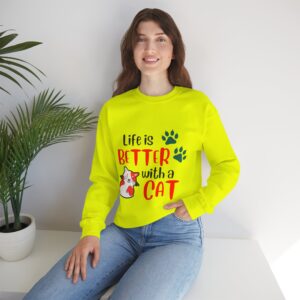
Cat Sweatshirt – “Life Is Better With a Cat” Cozy Crewneck for Cat Lovers
Price range: $29.95 through $36.90AshSandSport GreySafety GreenGraphite HeatherCarolina BlueSapphireLight PinkClearMLXL2XL3XL -
 Shop
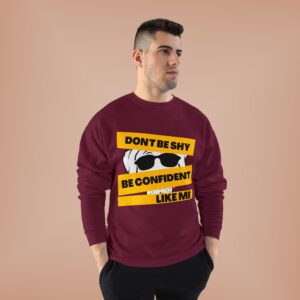
Don’t Be Shy Be Confident Crewneck Sweatshirt
Price range: $29.95 through $34.95Charcoal HeatherBlackDeep ForestHeather NavyNavyPurpleMaroonClearSMLXL2XL3XL4XL -
 Shop
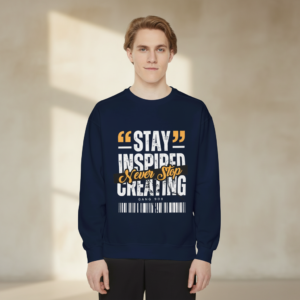
Never Stop Cat Sweatshirt — Inspirational Graphic Sweatshirt
$49.95PepperBlue SpruceDenimTrue NavyCrimsonClearMLXL -

Most Loved Products
-
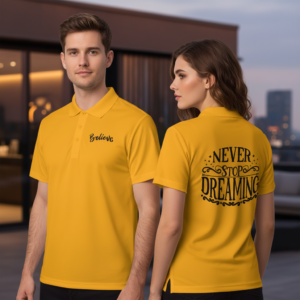 Men
‘Believe’ Front & ‘Never Stop Dreaming’ Back Inspirational Golf Polo
$64.75GoldVegas GoldTropic BlueBlue LakeClearSMLXL2XL -
 Shop
‘Make Cupcakes Not War’ Women’s Tee — Peaceful Baking Graphic T-Shirt
$22.95SilverYellowTealBaby BlueAthletic HeatherPinkClearMLXL -
-
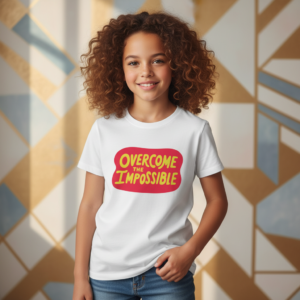
 Kids
“Success Is a Series of Small Things” Inspirational kIDS Graphic Shirt
$11.45Sport GreyGoldLimeTropical BlueLight BlueHeliconiaClearSMLXL
Our Happy Customers!
“I absolutely love the print and fabric quality. The design looks even better in real life.”

“The shirt fits perfectly and feels super comfortable all day. Great for casual wear and outings.”

“My order arrived quickly and the whole process was smooth. Really impressed with the service!”

Examples work best when they make an abstract idea visible while leaving the idea itself intact. In teaching, an effective case should suit the learner’s level, isolate a single principle, and demonstrate how it operates under realistic conditions. A classroom test can measure comprehension gains when students must explain the reasoning behind an answer instead of merely repeating a definition. Strong examples also provide enough context to show their limits, since a budgeting exercise should separate fixed costs from variable spending rather than present one outcome as universally correct. Comparing contrasting cases can then help learners transfer the underlying method to unfamiliar problems and recognize which details require a different approach.